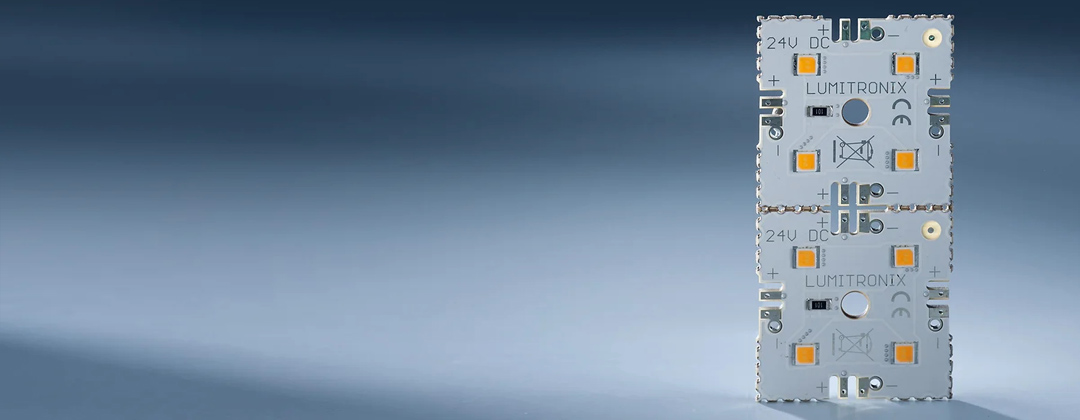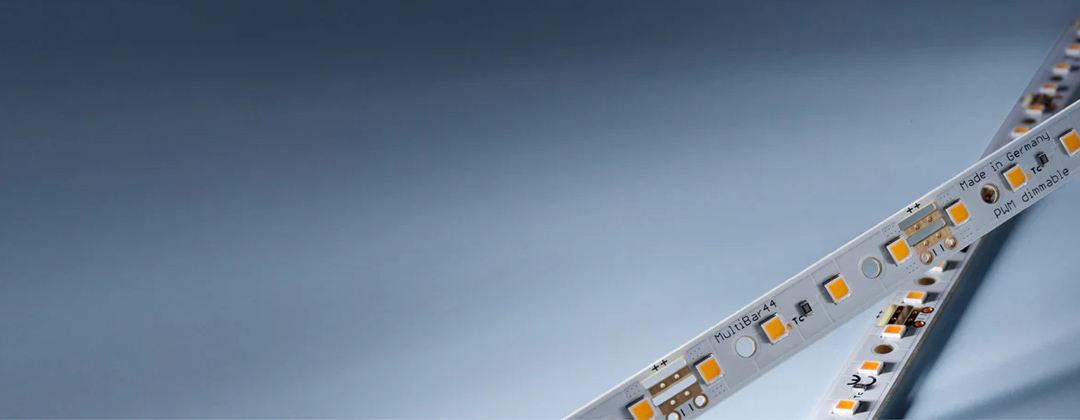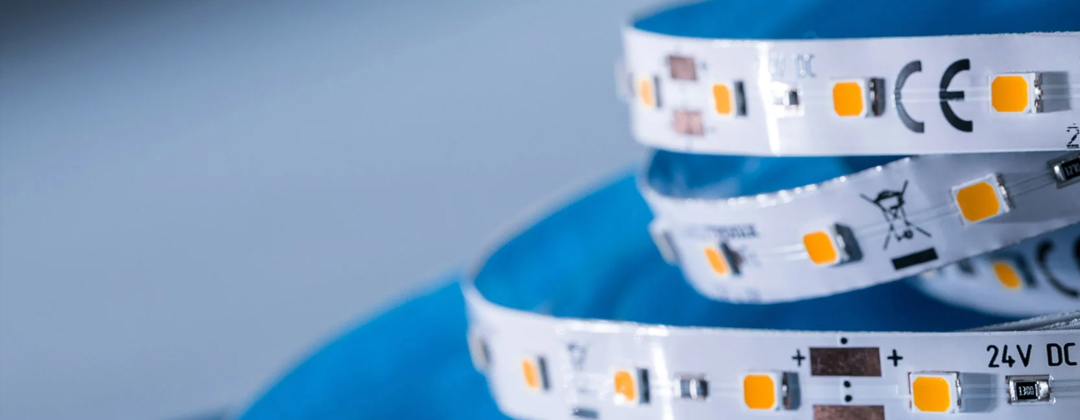


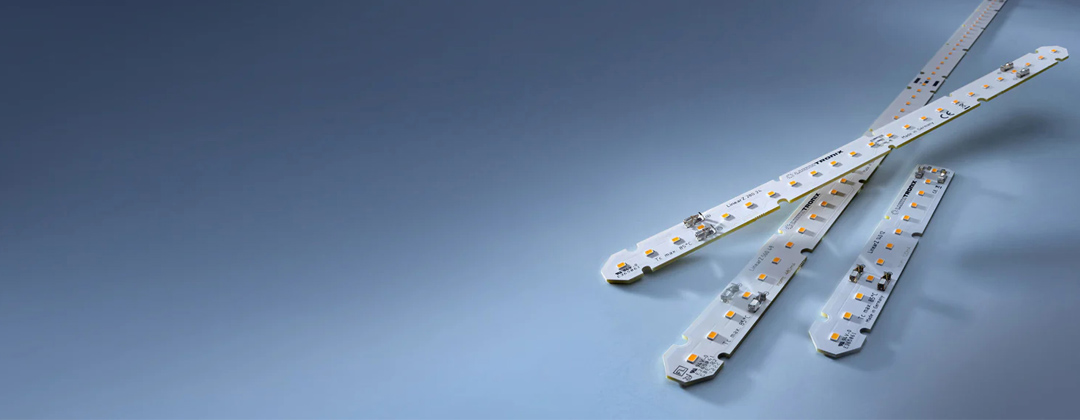
Nichia / Samsung / Seoul / Cree / Osram LEDs
Plug & Play system with many sizes available
White LEDs 1800-7800K CRI70-99
Flexible & Rigid PCB options
| Illuminance (Lux): | lx | |
| Distance: | m | |
| Angle: | ° | |
| Flux (Lumen): | lm |
*The results of the above calculator are for informative purposes only.
Providing the right amount of light for a task can have a significant impact on efficiency, productivity and safety. The amount of light needed to properly illuminate a task or process can vary depending on the application.
The Illuminating Engineering Society (IES) recommends illuminance values for hundreds of specific applications. This article explains how to determine lighting needs based on lux and lumens and gives some recommended light levels for different types of work spaces.
You can also calculate lux to lumen with the above tool.
Lux to Lumens Calculator
The lux to lumens calculator will help you choose the illumination solution that best meets the specific requirements of your application. We offer a number of high-quality, energy-efficient LED strips and modules that can be used to solve a diverse range of lighting applications.
What are LUX, LUMEN?
Lux: The amount of light falling on a surface is referred to as illuminance, which is measured in lux. This can be considered as light intensity within a certain range.
Lumen: The total power of the visible light of a light source is measured in lumen. The more lumens a luminaire delivers, the brighter it will usually be.
One lux corresponds to one lumen per square meter (lux = lumen/m2). Essentially, if the light comes from the emitter, it will be distributed over an area. The further the light has to travel, the more it is scattered. Therefore, the amount of lux in an area or on a surface can vary depending on the distance the light travels and the angle at which it is scattered.
If the lumens supplied by a particular emitter are the same, light that is less far back and/or more closely focused will appear brighter because lux is concentrated in a smaller area than light that has travelled a greater distance and has been distributed over a larger area.
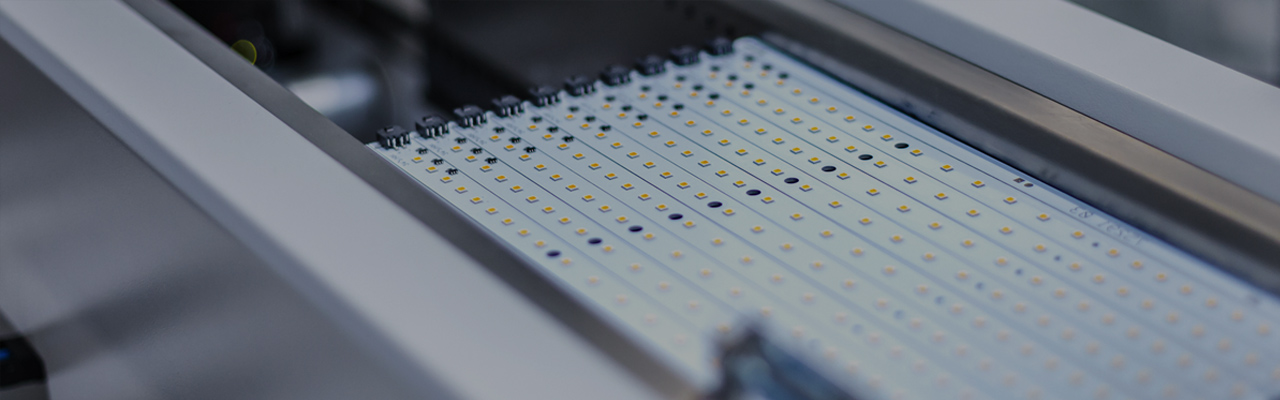
Our cutting-edge, high quality, and top-performance LED solutions can be customized online to perfectly match your requirements.
According EN 12464 Light and lighting - Lighting of workplaces -Indoor work places, the minimum illuminance is 50 lx for walls and 30 lx for ceilings. Earlier it was common with light levels in the range 100 - 300 lux for normal activities. Today the light level is more common in the range 500 - 1000 lux - depending on activity. For precision and detailed works the light level may even approach 1500 - 2000 lux.
Recommended light levels for different types of work spaces are indicated below:
| Activity | Illuminance (lx, lumen/m2) |
|---|---|
| Public areas with dark surroundings | 20 - 50 |
| Simple orientation for short visits | 50 - 100 |
| Areas with traffic and corridors - stairways, escalators - lifts - storage spaces | 100 |
| Working areas where visual tasks are only occasionally performed | 100 - 150 |
| Warehouses, homes, theaters, archives, loading bays | 150 |
| Coffee break room, technical facilities, ball-mill areas, pulp plants, waiting rooms, | 200 |
| Easy office work | 250 |
| Class rooms | 300 |
| Normal office work, PC work, study library, groceries, show rooms, laboratories, check-out areas, kitchens, auditoriums | 500 |
| Supermarkets, mechanical workshops, office landscapes | 750 |
| Normal drawing work, detailed mechanical workshops, operation theaters | 1000 |
| Detailed drawing work, very detailed mechanical works, electronic workshops, testing and adjustments | 1500 - 2000 |
| Performance of visual tasks of low contrast and very small size for prolonged periods of time | 2000 - 5000 |
| Performance of very prolonged and exacting visual tasks | 5000 - 10000 |
| Performance of very special visual tasks of extremely low contrast and small size | 10000 - 20000 |
Read more about recommended lighting levels for the home in our blog article.