Human Centric Lighting with ajustable intensity and color temperature
- By Ledrise Led Professional
- Feb 15, 2023

Human Centric Lighting (HCL) is an innovative approach to illumination that prioritizes the physiological, psychological, and emotional well-being of individuals. By mimicking natural light patterns and taking into consideration various aspects of human comfort and productivity, HCL has the potential to improve our daily lives. In this article, we'll delve into the principles of Human Centric Lighting, discuss its benefits, and provide guidance on how to create a successful HCL system for any environment.
Understanding Human Centric Lighting
HCL seeks to replicate the dynamic properties of natural light, which varies in tone and brightness throughout the day and across seasons. This is achieved by combining and adjusting the intensity of various white LED light sources, typically warm white (2700K) and cold white (6500K), to create a tunable white lighting solution.

By aligning artificial light with the natural light cycle, HCL has been shown to boost productivity, reduce fatigue, and enhance overall well-being. In office settings, for example, Human Centric Lighting can help employees concentrate better, make fewer errors, and more accurately identify mistakes. Ultimately, the individual benefits of HCL translate into better business outcomes.
For example, offices can have increased lighting intensity when the natural light is also at its highest levels, helping people to work more concentrated, less tired, make fewer mistakes and more accurately identify mistakes. And what makes life more pleasant for the individual is more lucrative for a company as a whole.
Human Centric Lighting coordinates the interplay of light, atmosphere and space to ensure the well-being of people in their surroundings. It is particularly important for modern office environments because it focuses on people.
For Human Centric Lighting to be a good emulation of daylight and an effective lighting solution, the following aspects are important:
Key Elements of a Successful HCL System
To effectively mimic daylight and provide the desired benefits, an HCL system should incorporate the following aspects:
1. Daylight Spectrum
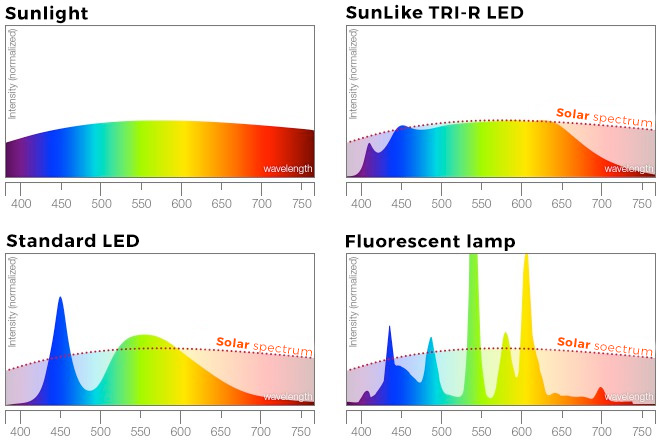
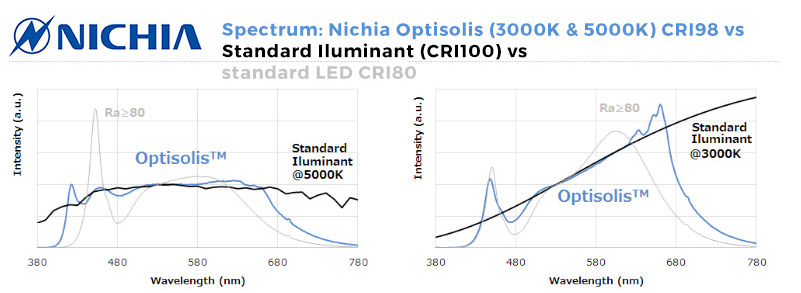
A Human Centric light source should have a daylight-like spectrum. While it might seem obvious, many light sources on the market do not meet this criterion. For instance, fluorescent lamps possess a spectrum with numerous peaks and troughs, which significantly deviates from sunlight. To ensure optimal results, it's crucial to implement full-spectrum LED lighting solutions, such as Seoul SunLike or Nichia Optisolis.
2. Color Rendering Index (CRI)
A high color rendering index (CRI) is essential for Human Centric Lighting. Ideally, a CRI of 98+ should be used, with 80+ being the minimum acceptable standard. Light sources with a CRI below 80 will cause colors to appear unnatural, making them unsuitable for HCL systems.
3. Brightness
An effective HCL system must provide adequate light for the tasks being performed. Achieving this balance can be challenging since warm white and cold white LEDs need to be combined and adjusted for brightness. This effectively doubles the number of light sources compared to static lighting solutions.
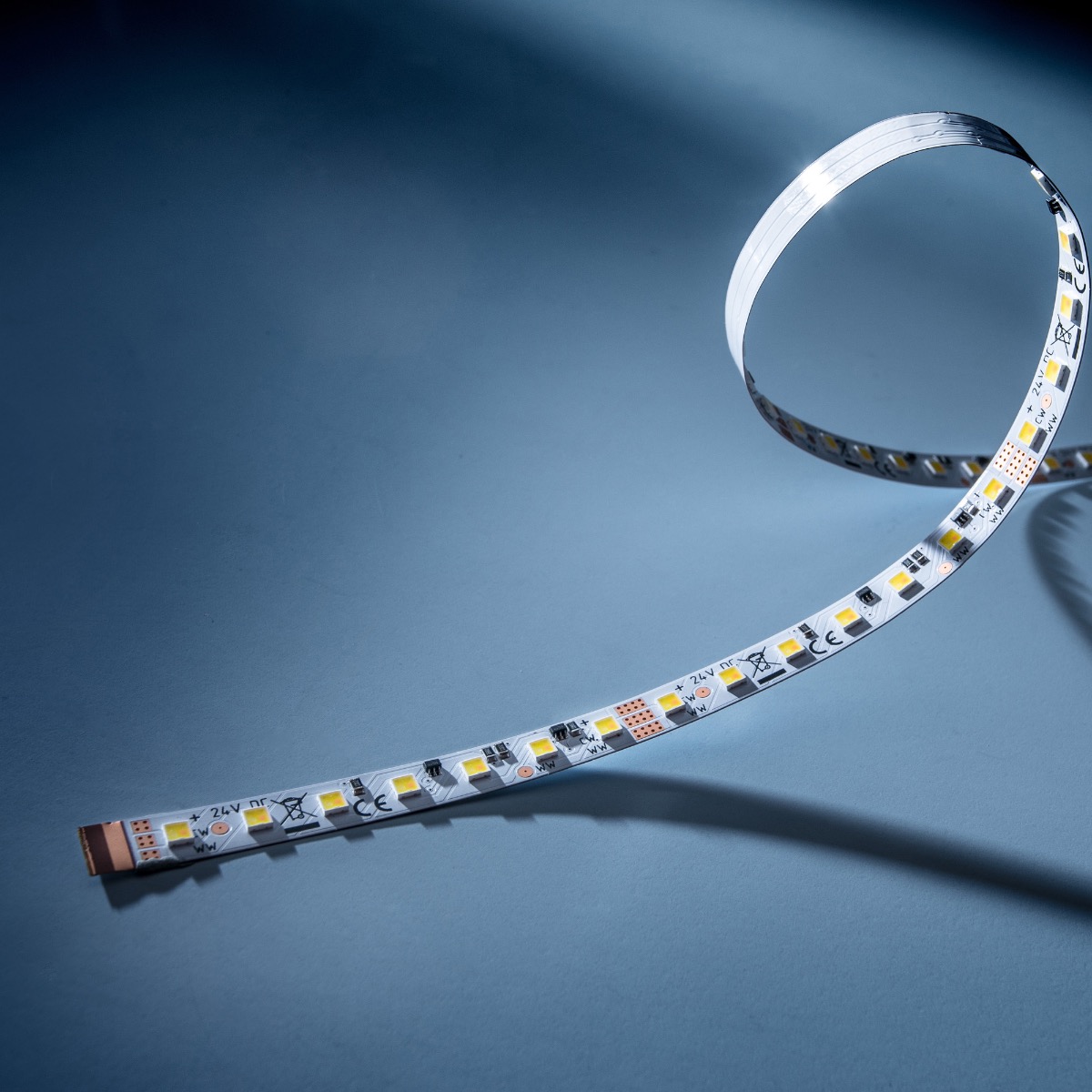
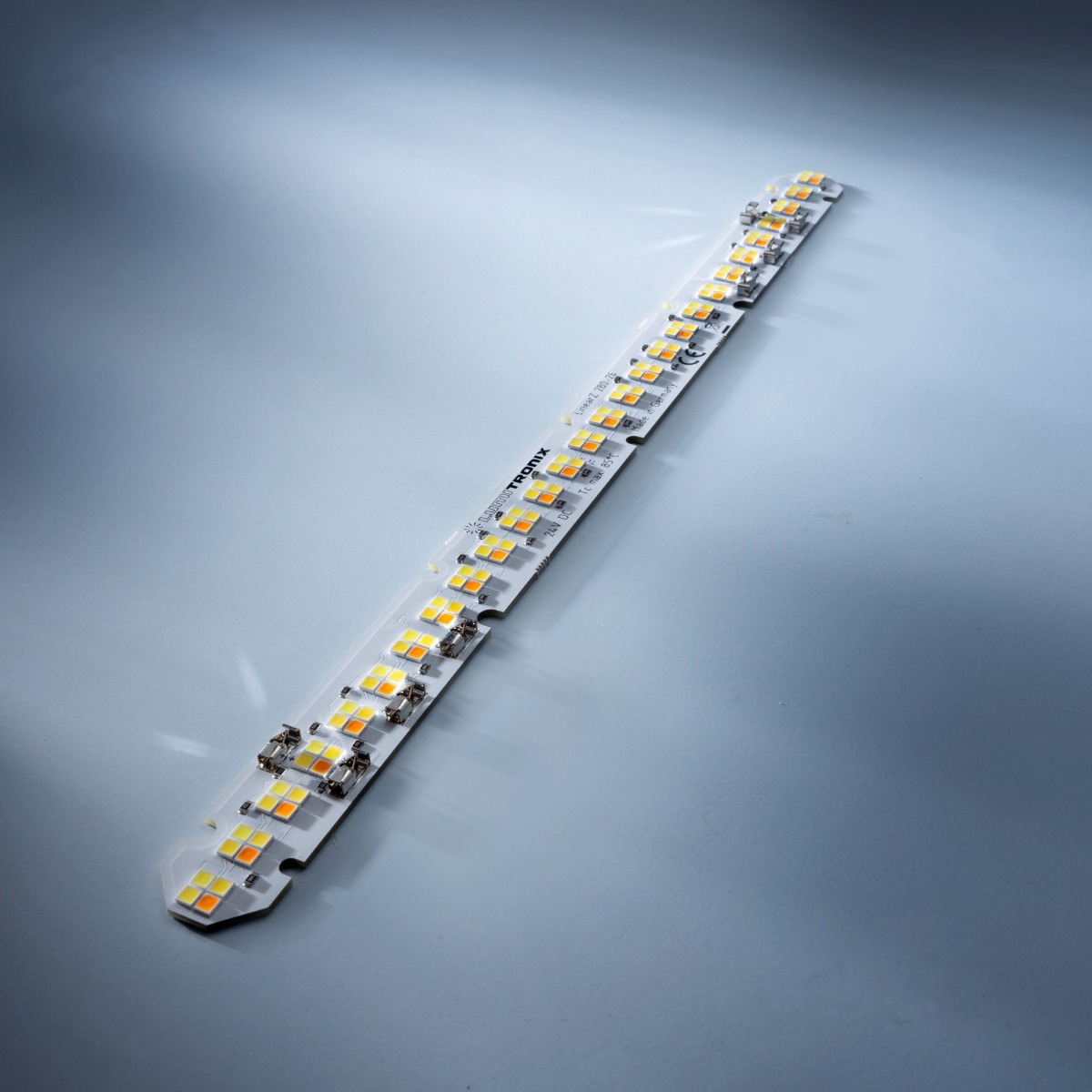
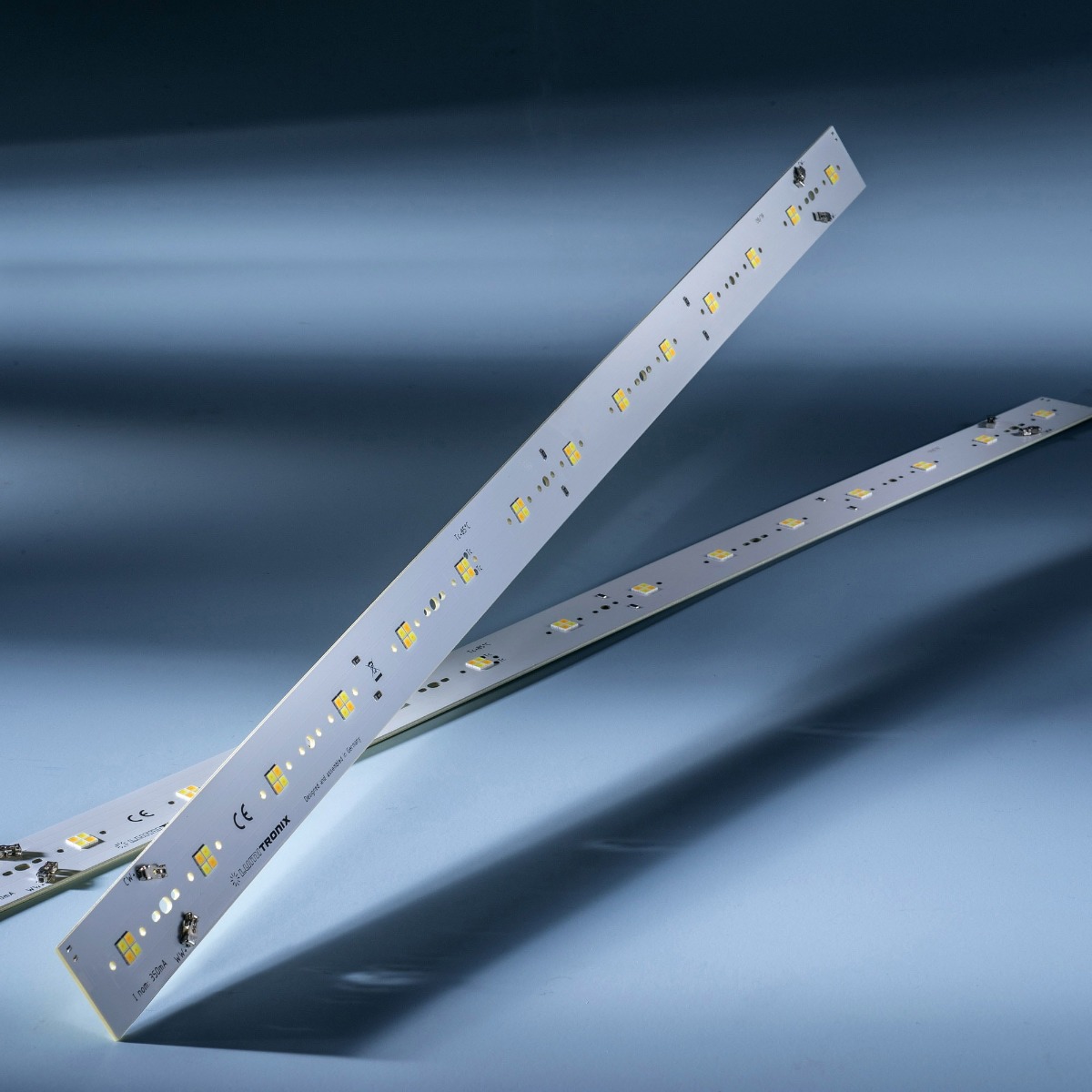
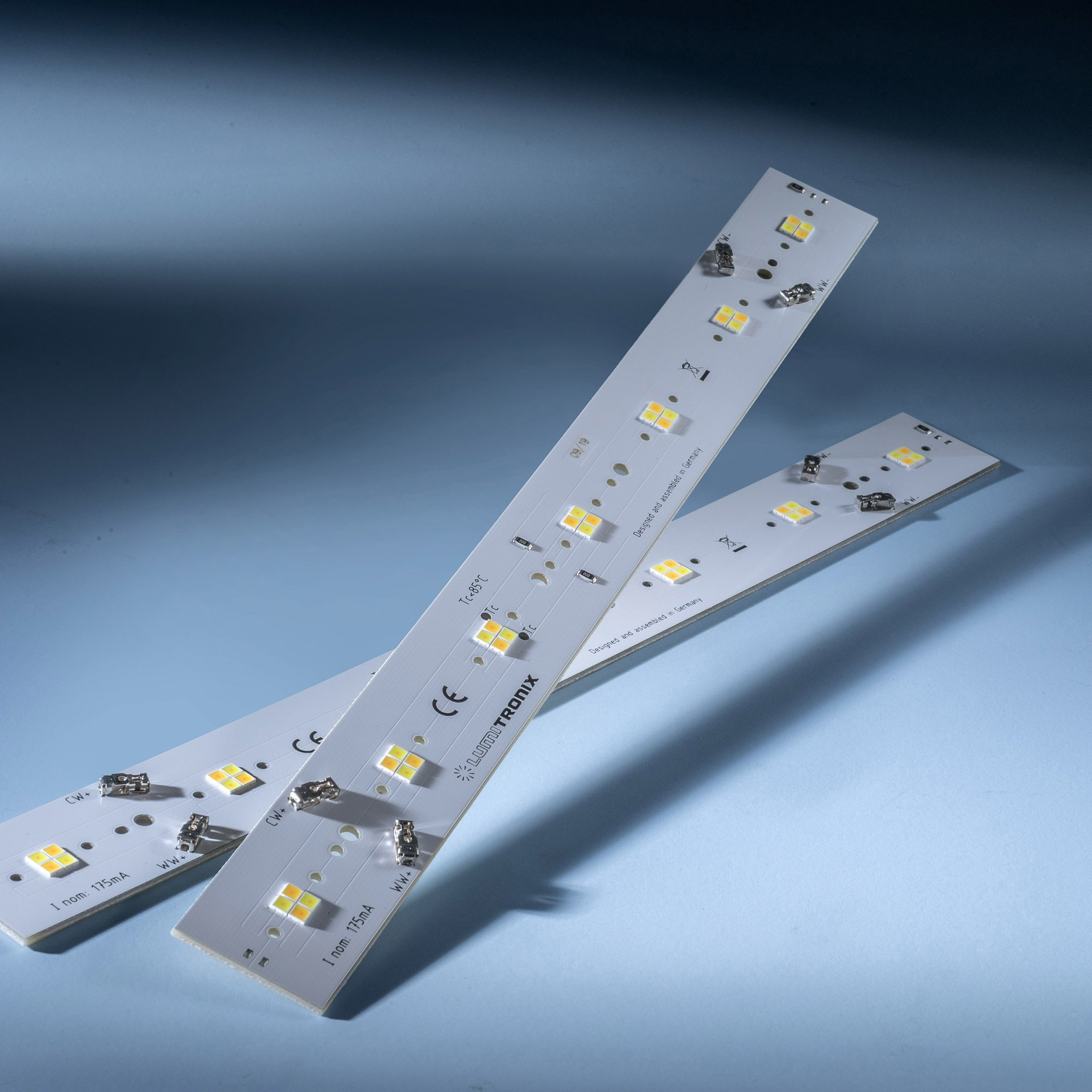
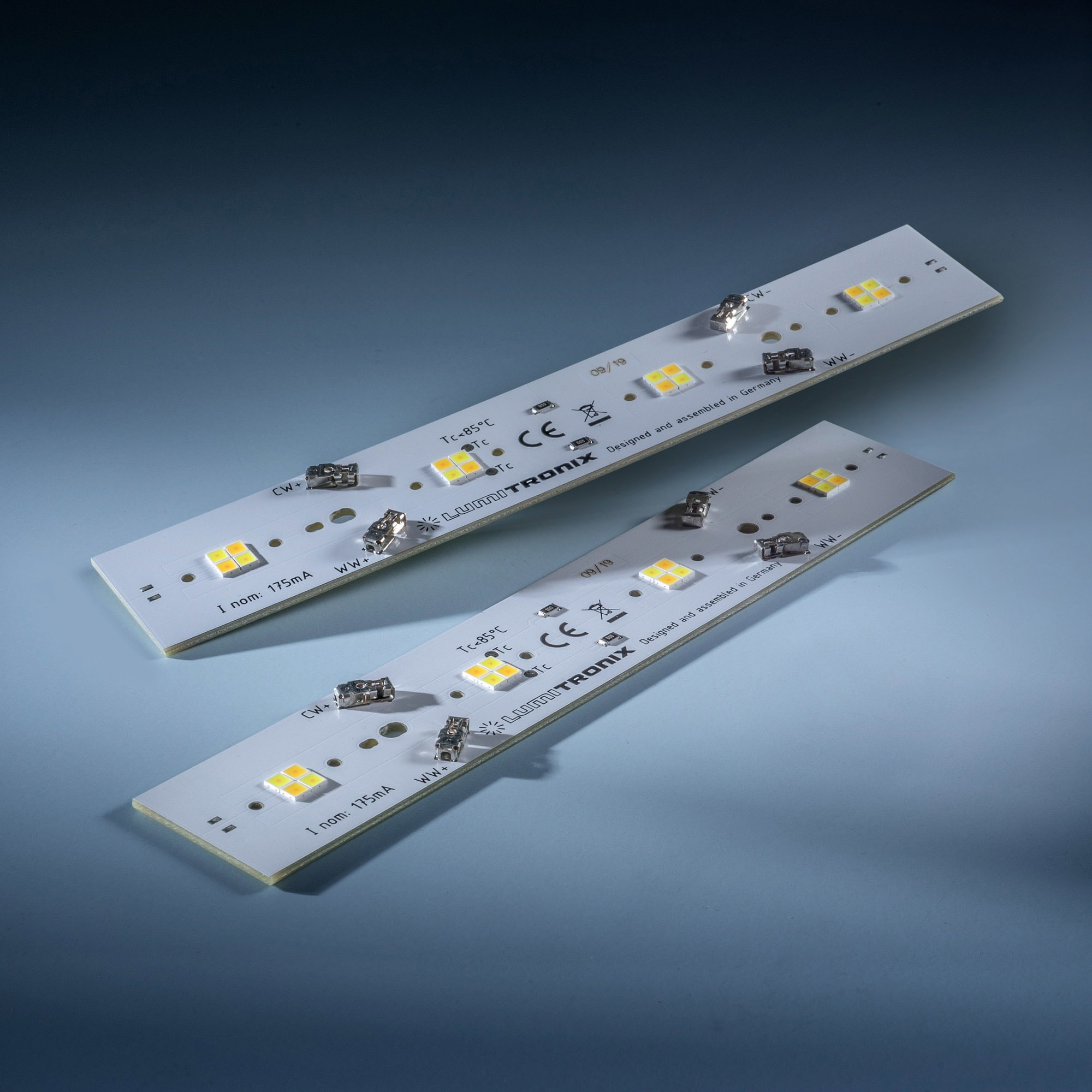
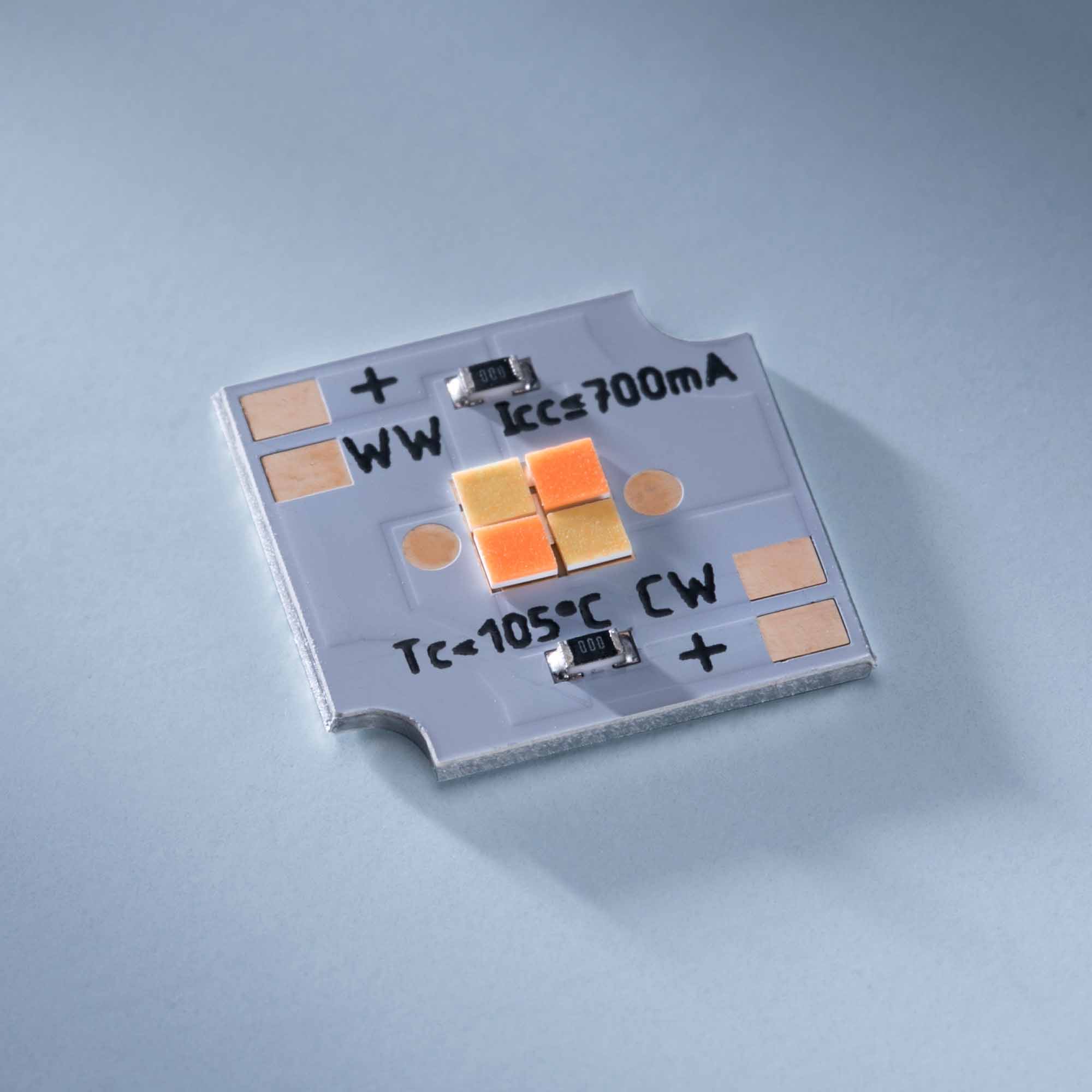
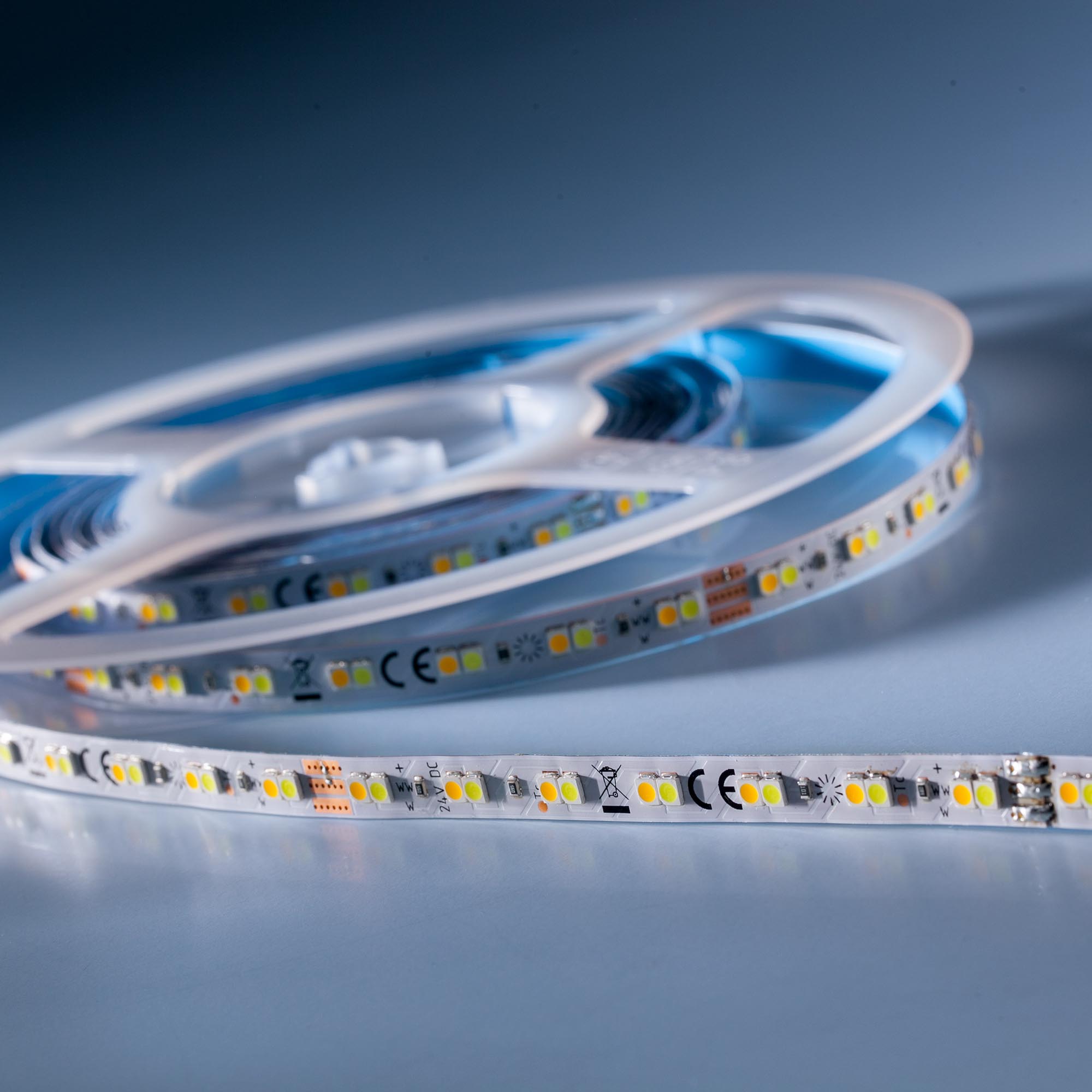
Two primary methods for obtaining dynamic white light are interpolated or parallel light sources. In interpolated systems, warm white and cold white LEDs are placed in pairs, parallel or in groups, on the same strip or module. This approach results in lower system costs but may lead to insufficient brightness, reduced reliability, and challenging thermal management.
In contrast, using separate LED modules or strips for each white color temperature yields higher brightness and improved reliability, albeit at a higher cost. This arrangement may not be suitable for fixtures with limited space, such as linear or slim luminaires but is ideal for cove lighting and luminous ceilings.


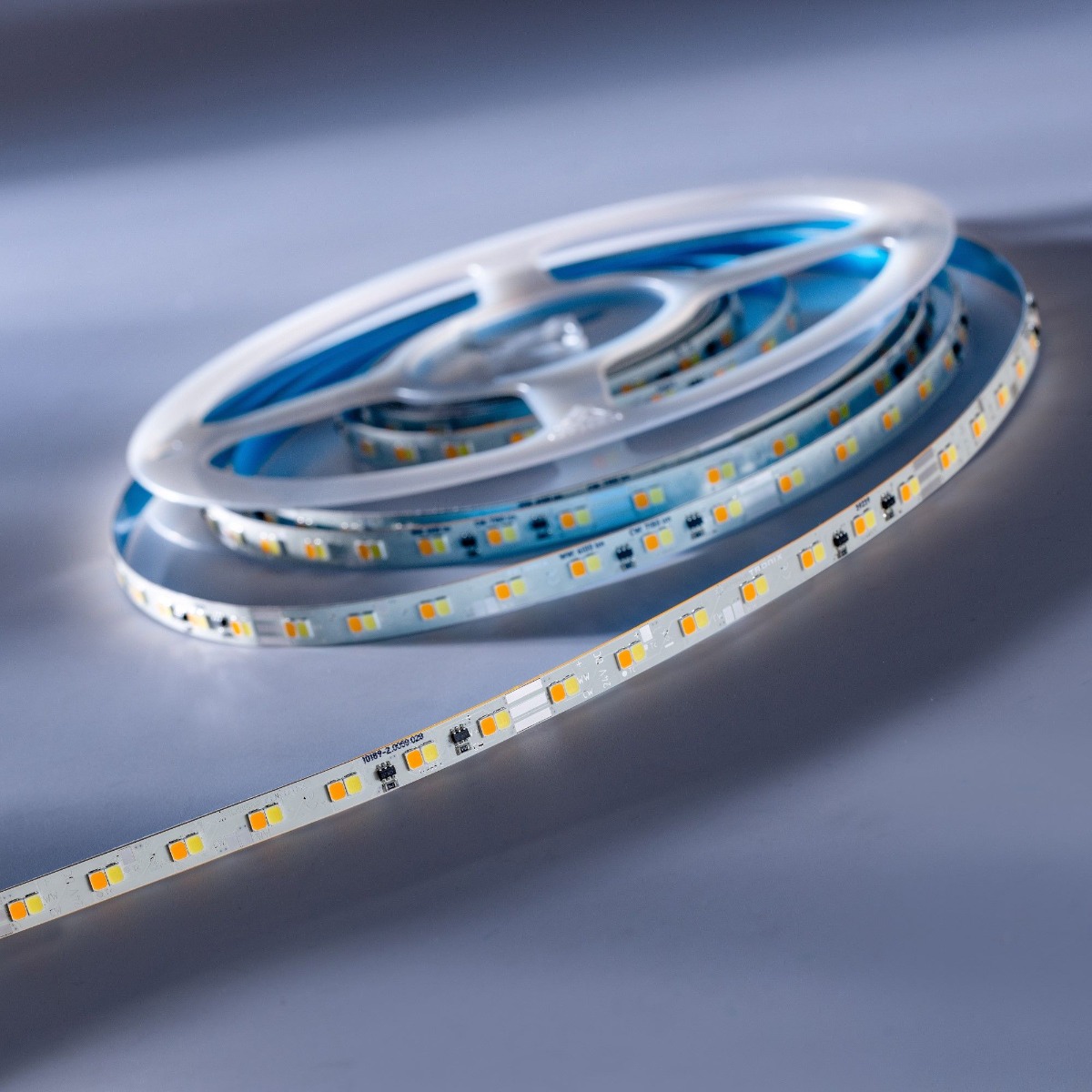
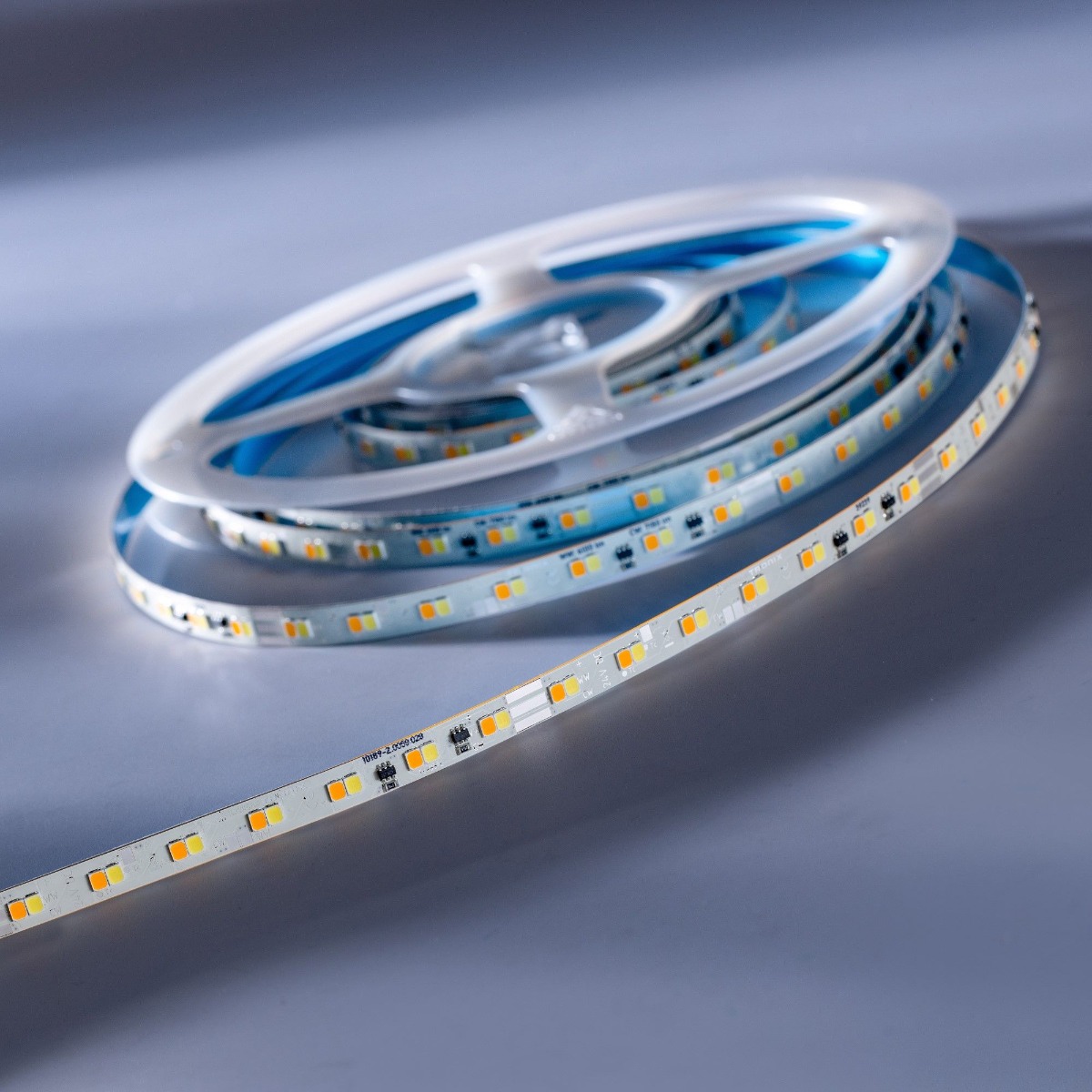
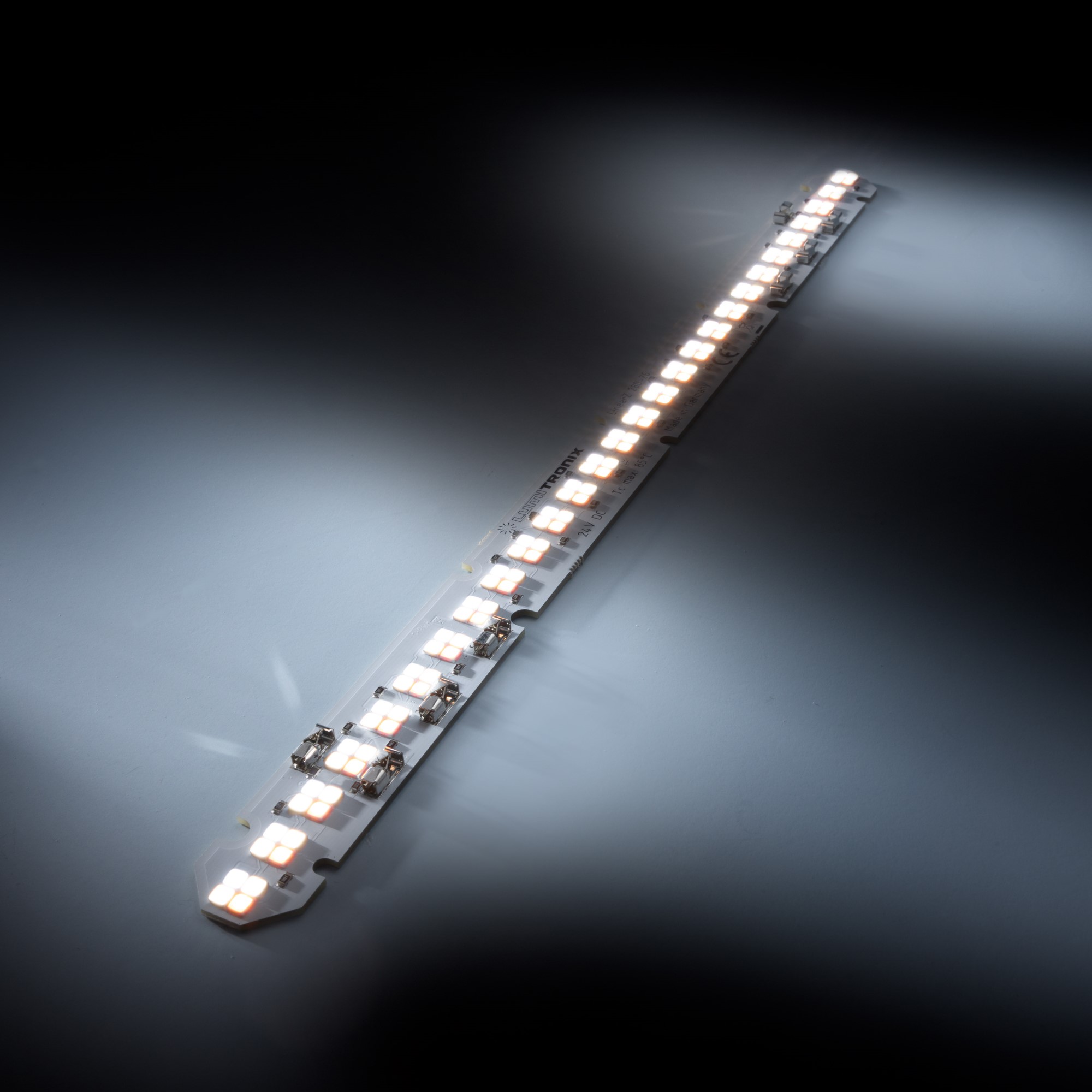
Above: examples of Interpolated LED strip and module
4. Ease of use
A successful HCL system should be user-friendly and easily adjustable to cater to different preferences and requirements. This includes offering pre-set programs and manual programming options for various times of day, such as evening and night hours, or even a fully automated mode.
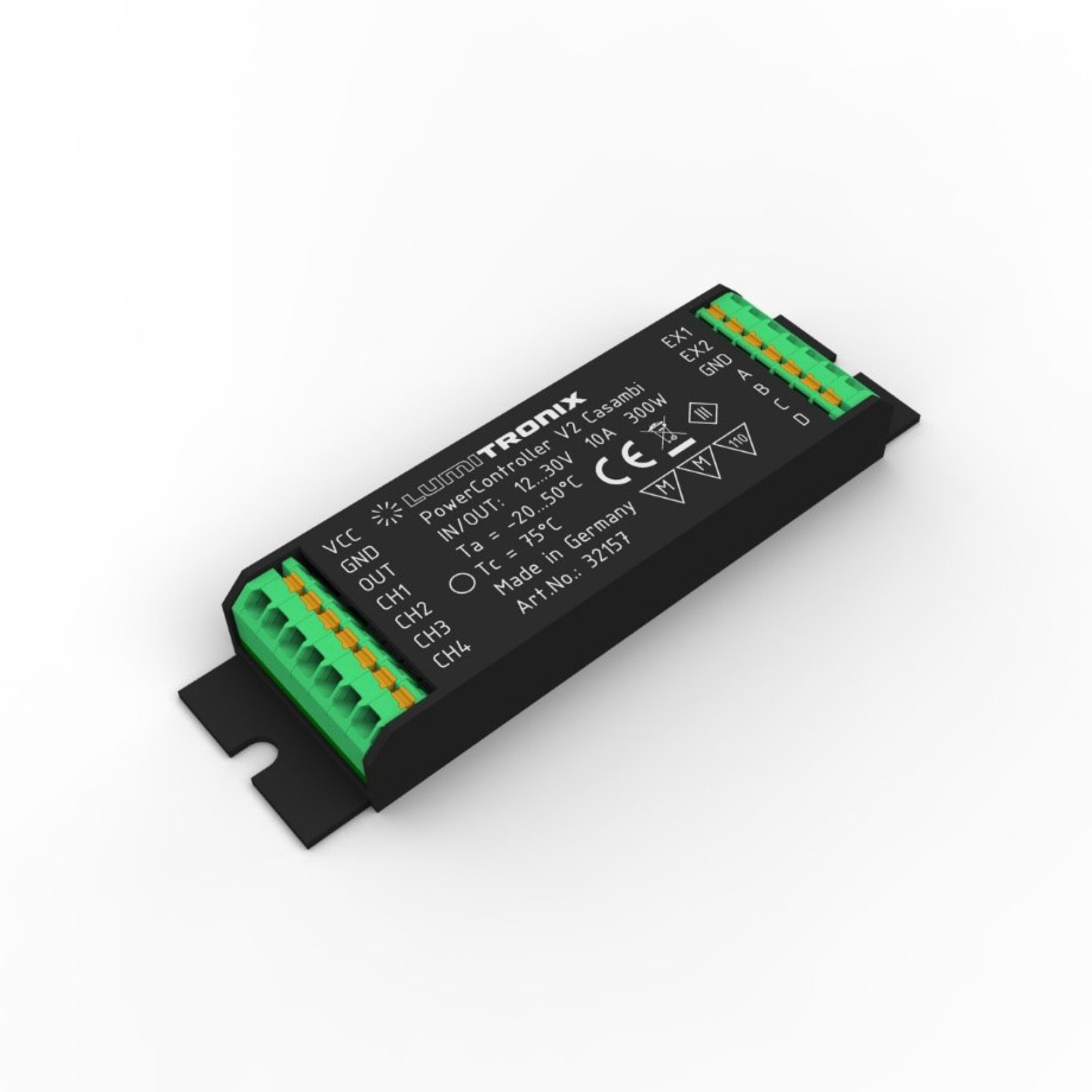
For residential use, a simple app should be available for controlling the lighting system, while commercial applications may require more sophisticated control solutions. The transformers and control systems should communicate using widely-accepted standards from the Internet of Things (IoT) universe, such as Casambi being a popular choice for both homes and businesses.
Adopting widely-used communication standards ensures a greater selection of control software solutions and guarantees long-term support for system upgrades and maintenance.
Applications of Human Centric Lighting
The benefits of HCL extend beyond office environments and can be applied to various settings, including:
- Healthcare Facilities: Improved lighting can help patients recover faster and support the well-being of healthcare staff.
- Educational Institutions: Enhanced focus and concentration can improve students' learning outcomes and reduce stress levels.
- Retail Spaces: Accurate color rendering and adaptable lighting can create more inviting environments, potentially increasing sales and customer satisfaction.
- Hospitality Sector: Hotels and restaurants can use HCL to create comfortable atmospheres, ensuring guests feel welcome and relaxed.
- Residential Spaces: Human Centric Lighting can support a healthy circadian rhythm, improving sleep quality and overall well-being.
At Ledrise you will find high performance LED strips and modules for Human Centric Lighting.
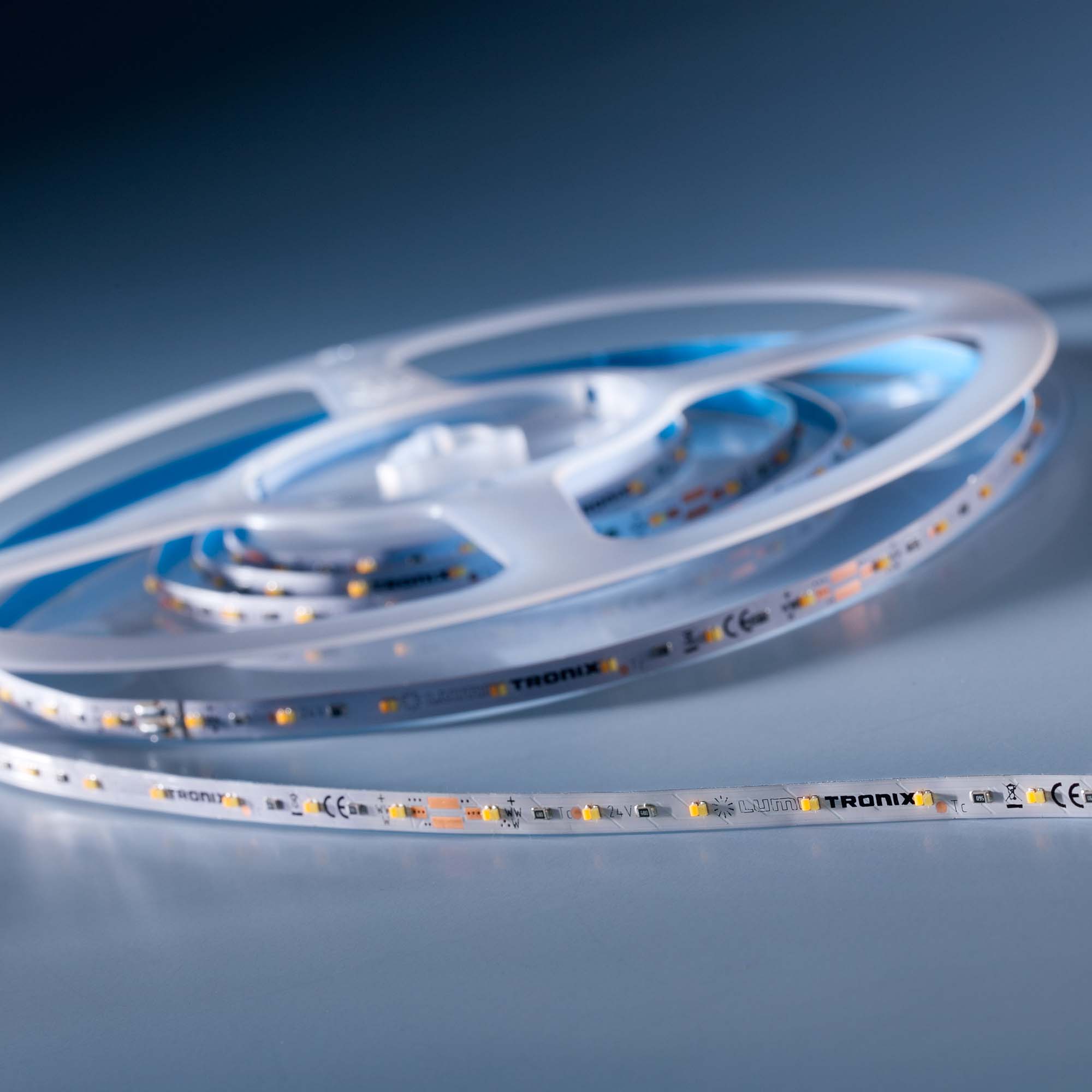
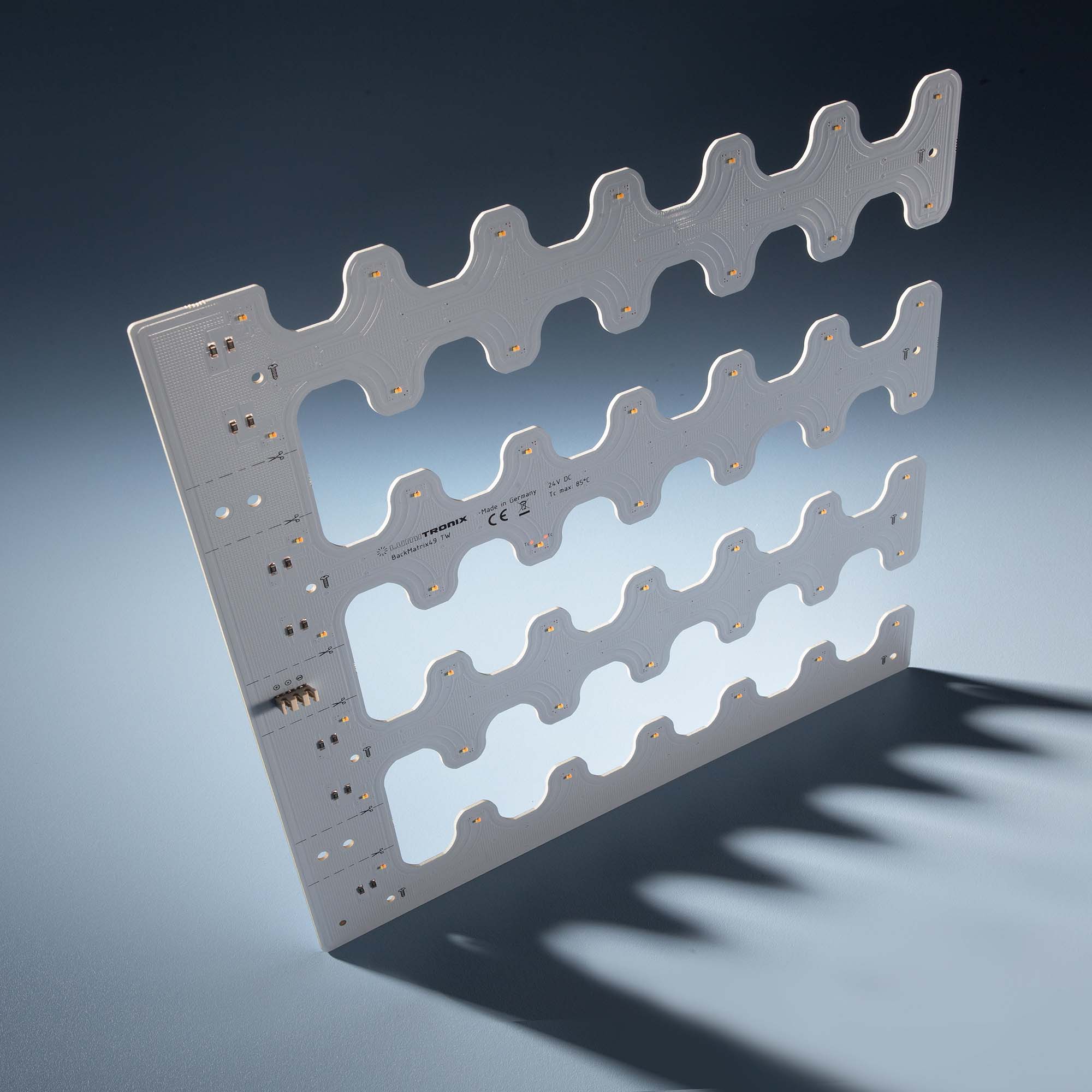
For Human Centric Lighting via interpolated LED modules you can choose our Tunable White strips and modules with Nichia LEDs for the best price/performance ratio. We even have a large square module for stretch ceilings or large surface luminaires.
-
 LumiSphere 360 TW Professional Round LED Module with 5 breakable rings 864 LEDs 2700K-5700K 4870lm 36W€144.29Production Order: 6-12 weeks
 -
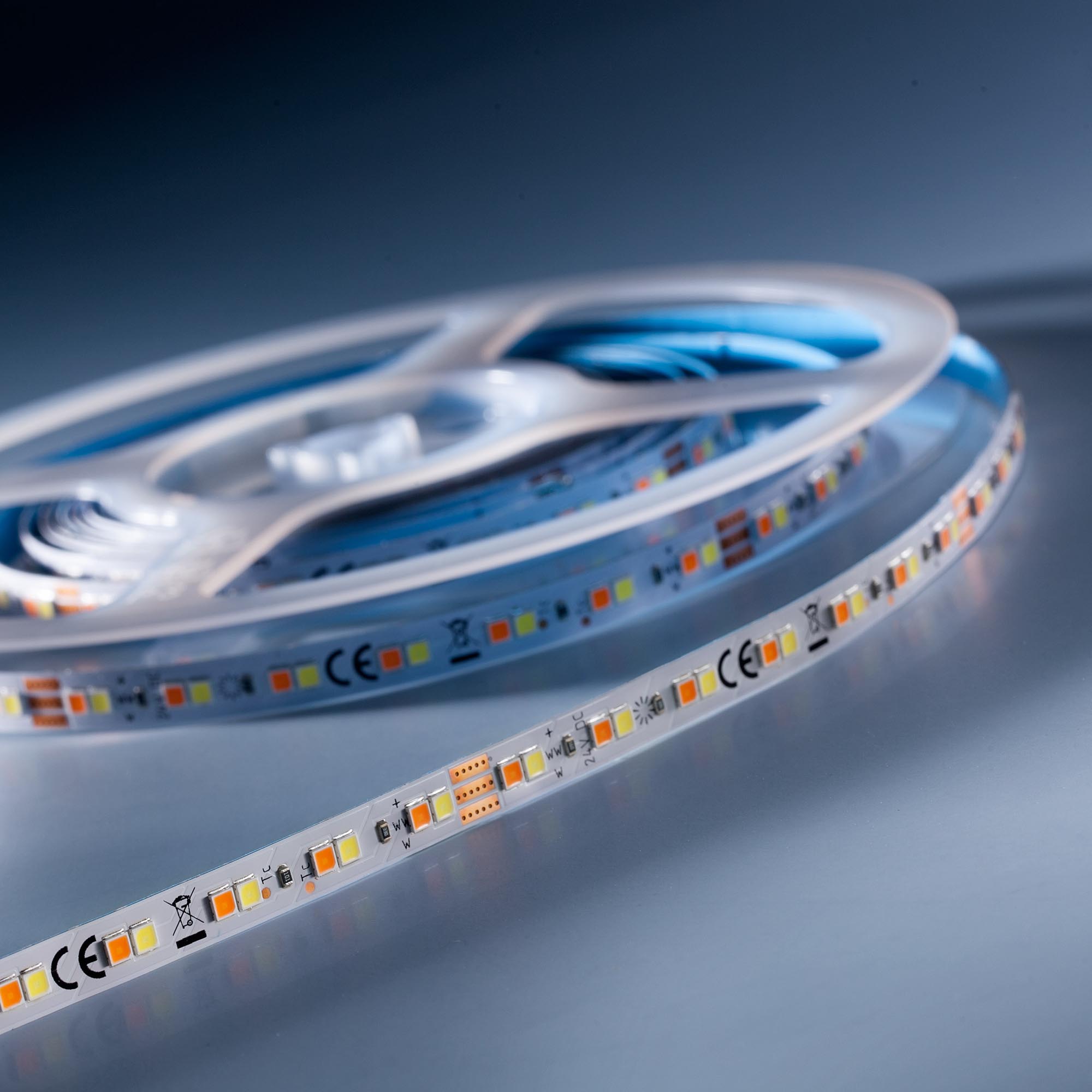 LumiFlexTW-2080 Nichia LED Strip Tunable white 2000-6500K 6980lm 24V 140 LEDs/m 5m reel (874+1396lm/m and 9.6W/m)€179.00Low Stock Germany, only 1 pcs.
 -
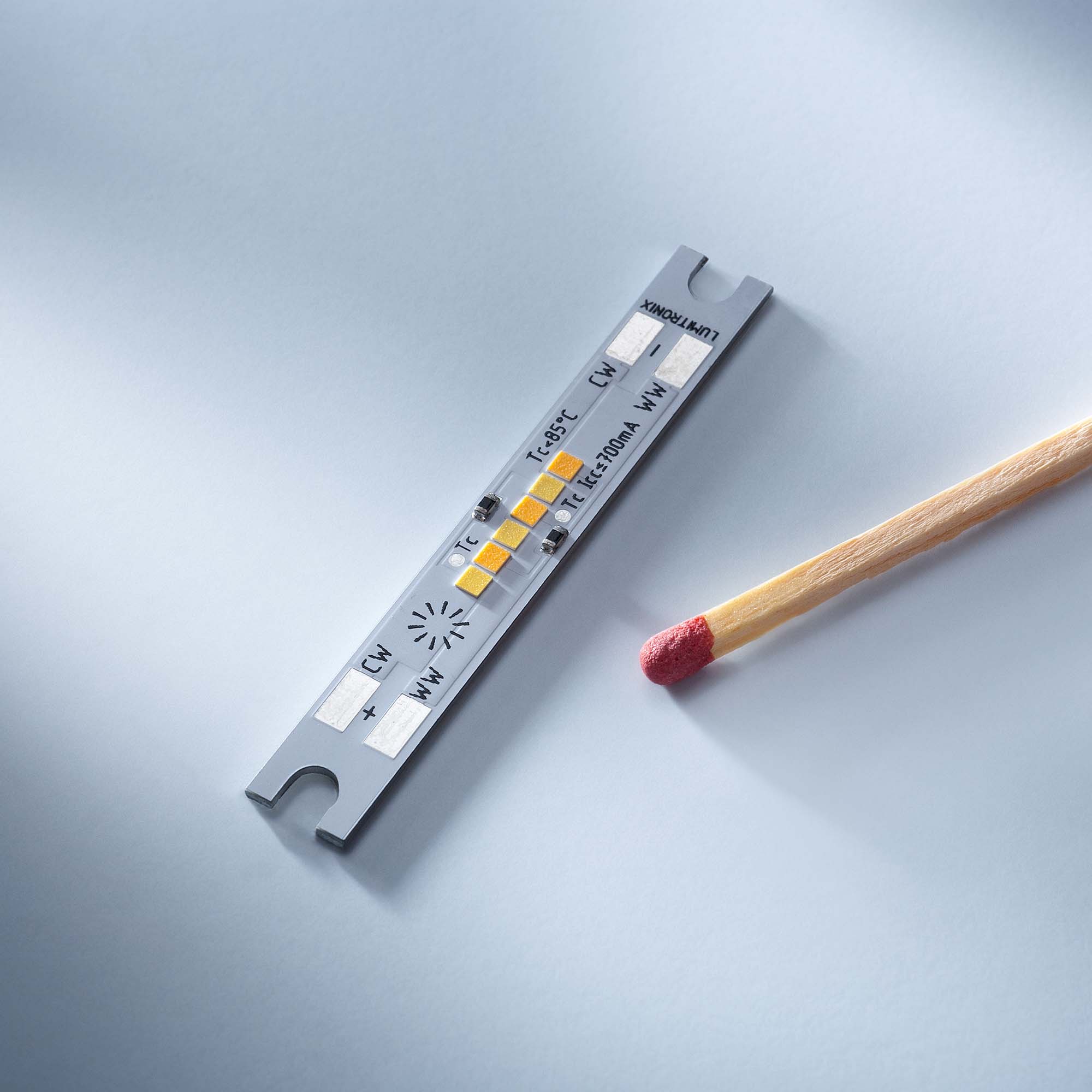 Nichia LED Module SmartArray L6 5cm Tunable White 2700-5000K 350mA 3.0W 340+400lm€4.16Stock Germany >1000 pcs
 -
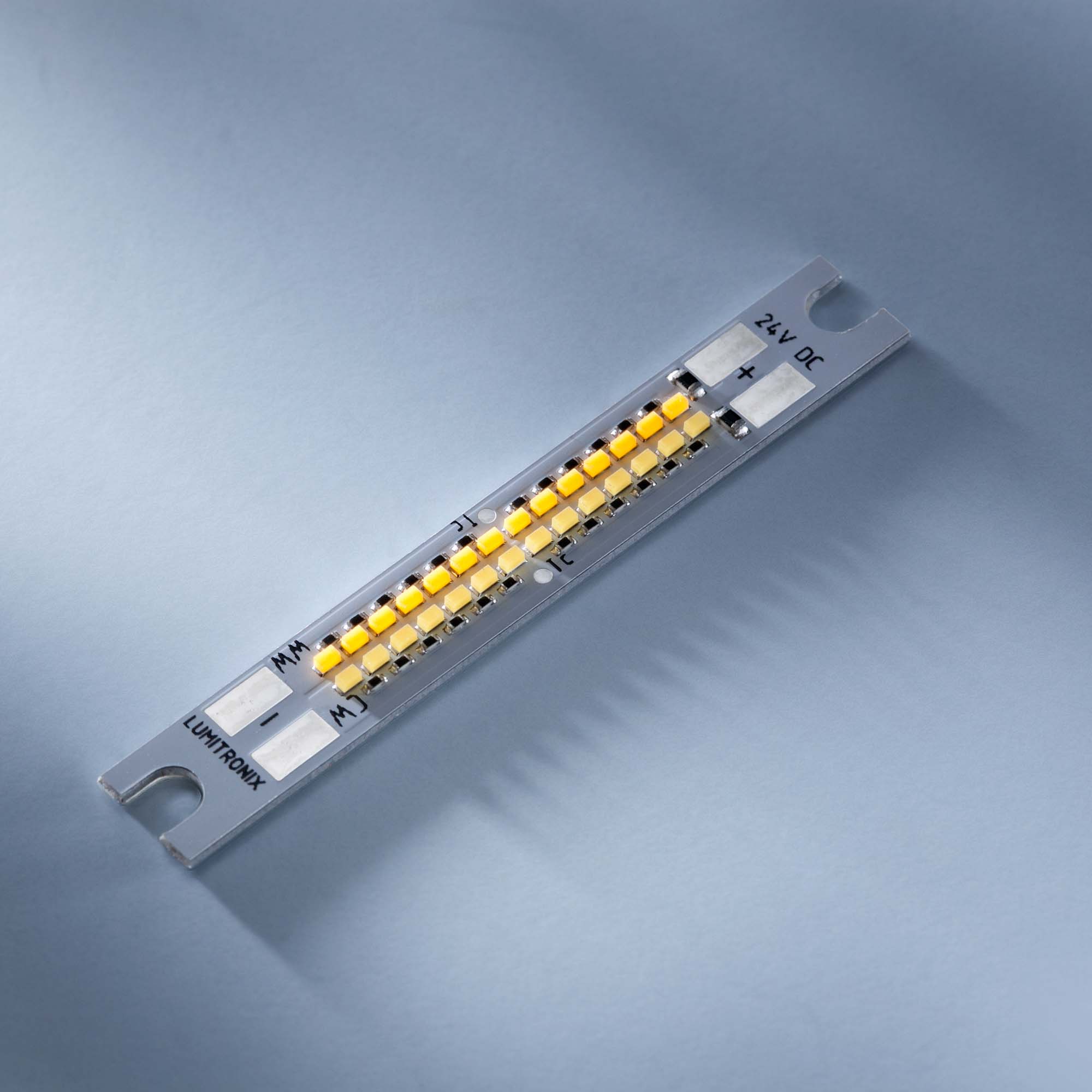 Nichia LED Module SmartArray 24V 5cm Tunable White 2700-6500K 24V 3.6W 390+360lm€5.00Stock Germany >10 pcs


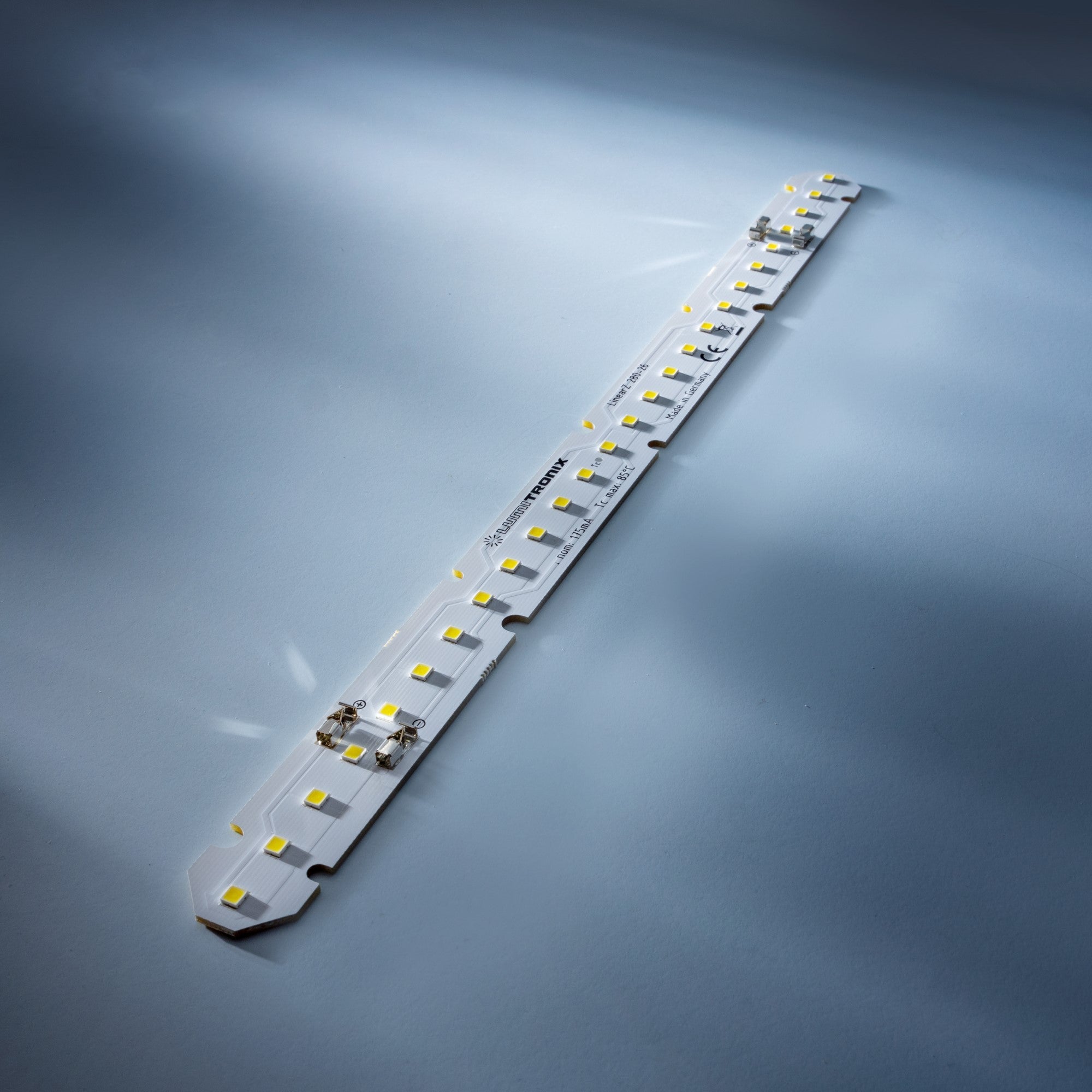
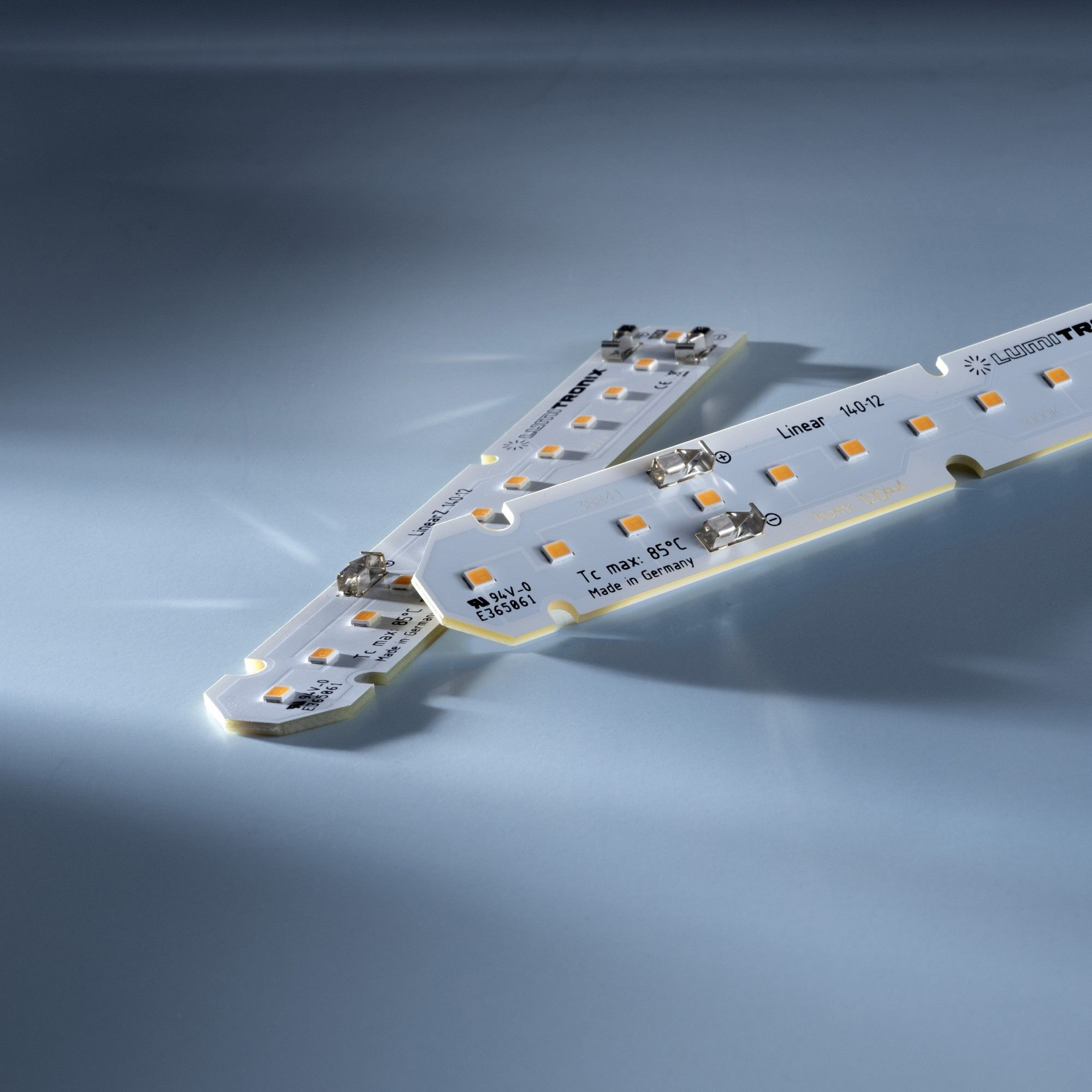
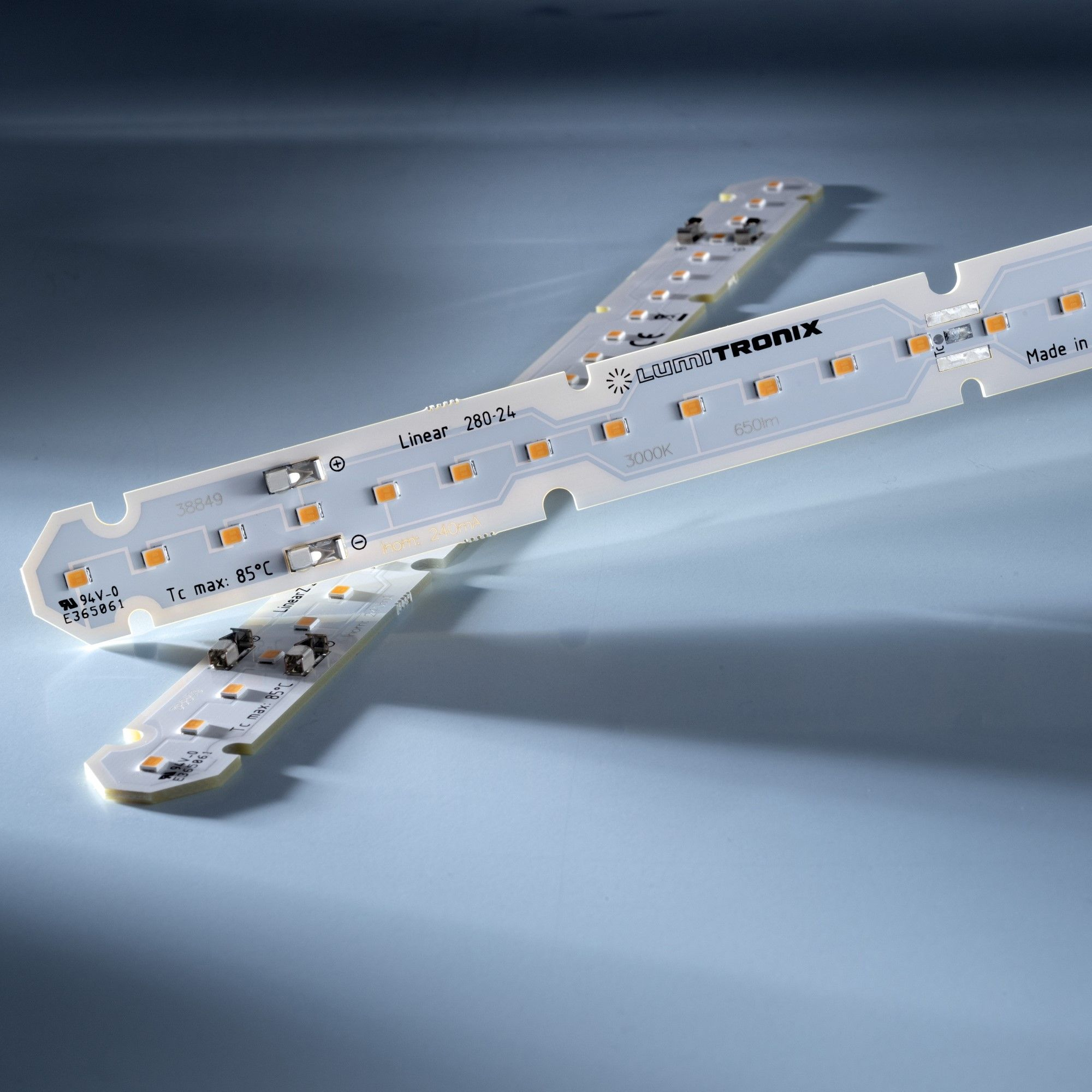
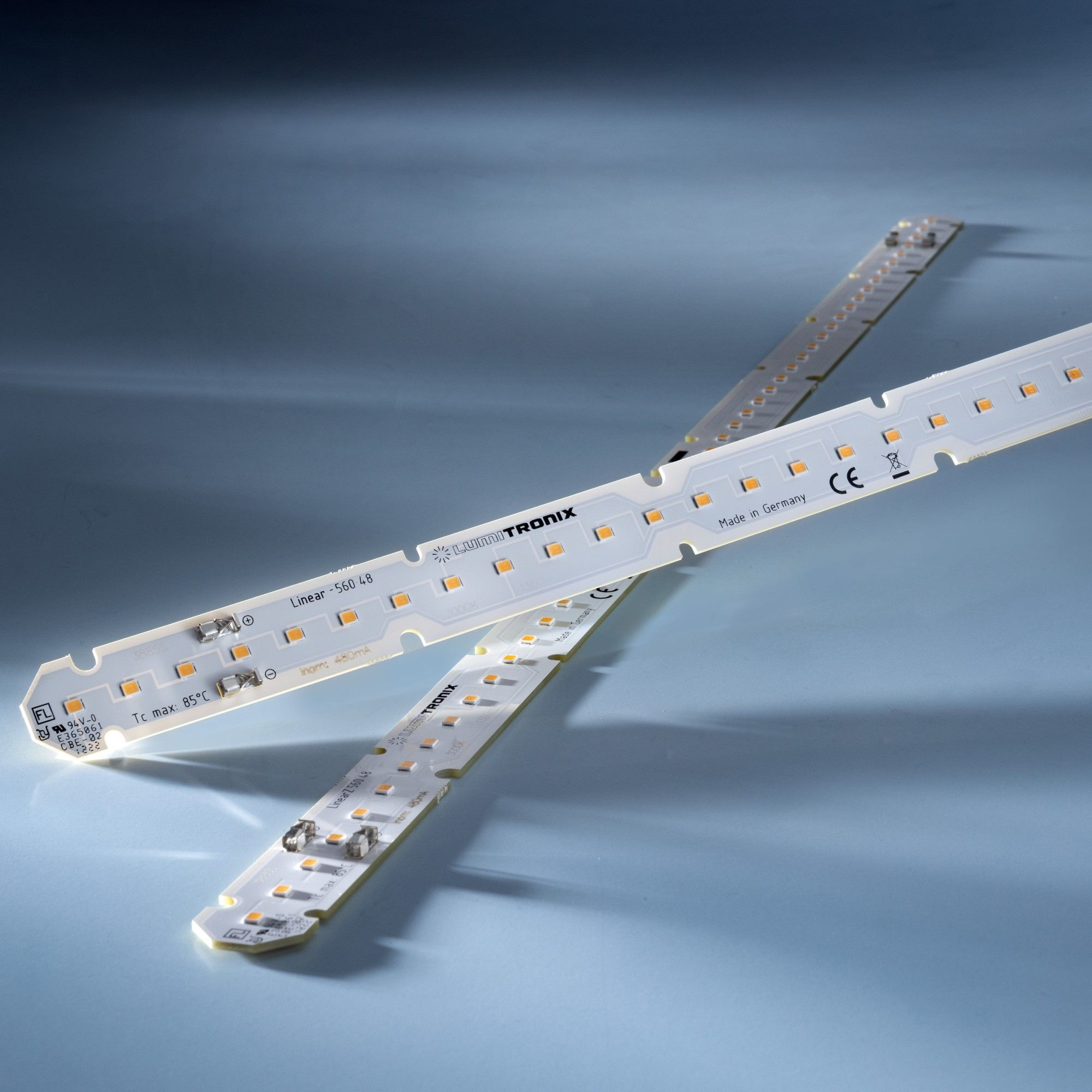
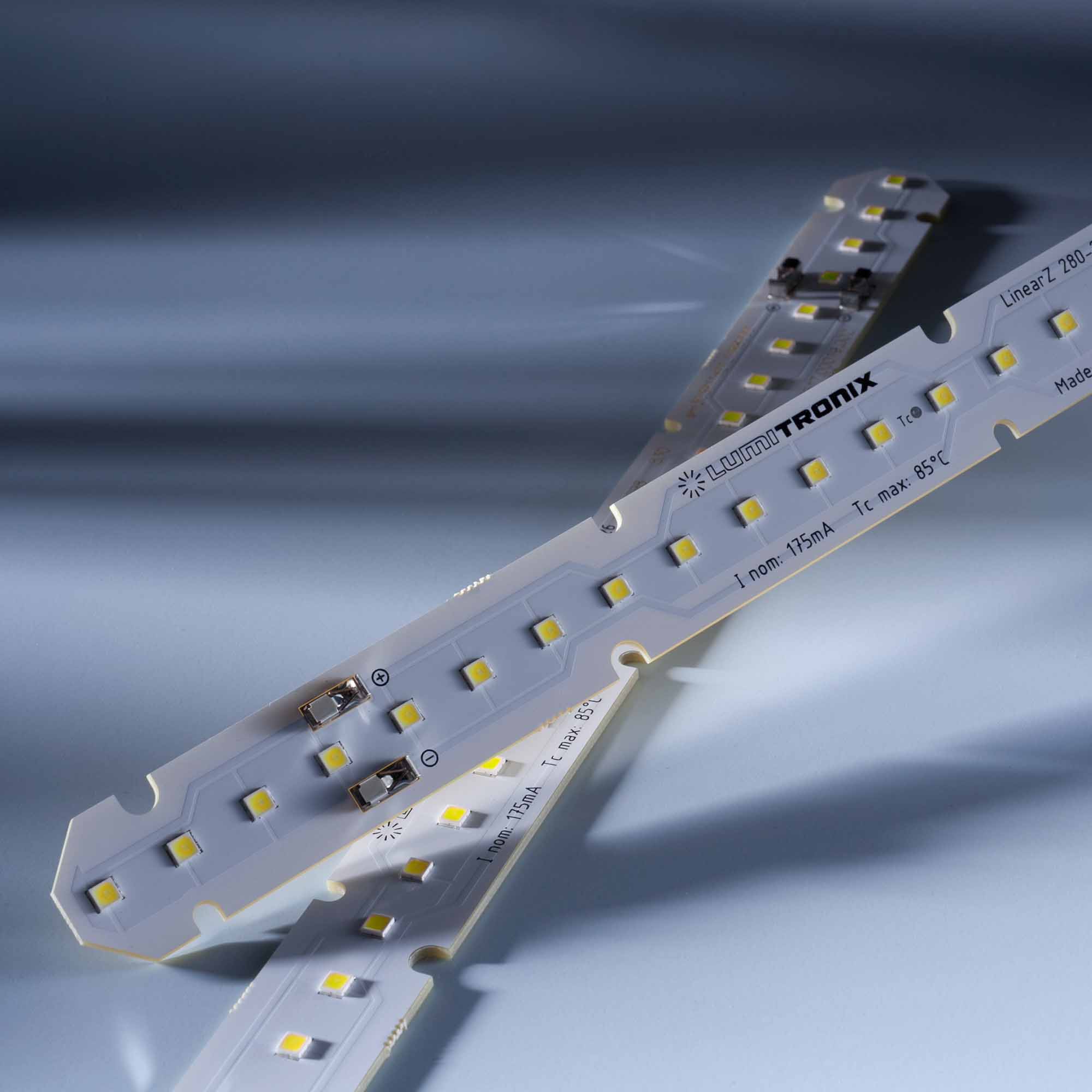
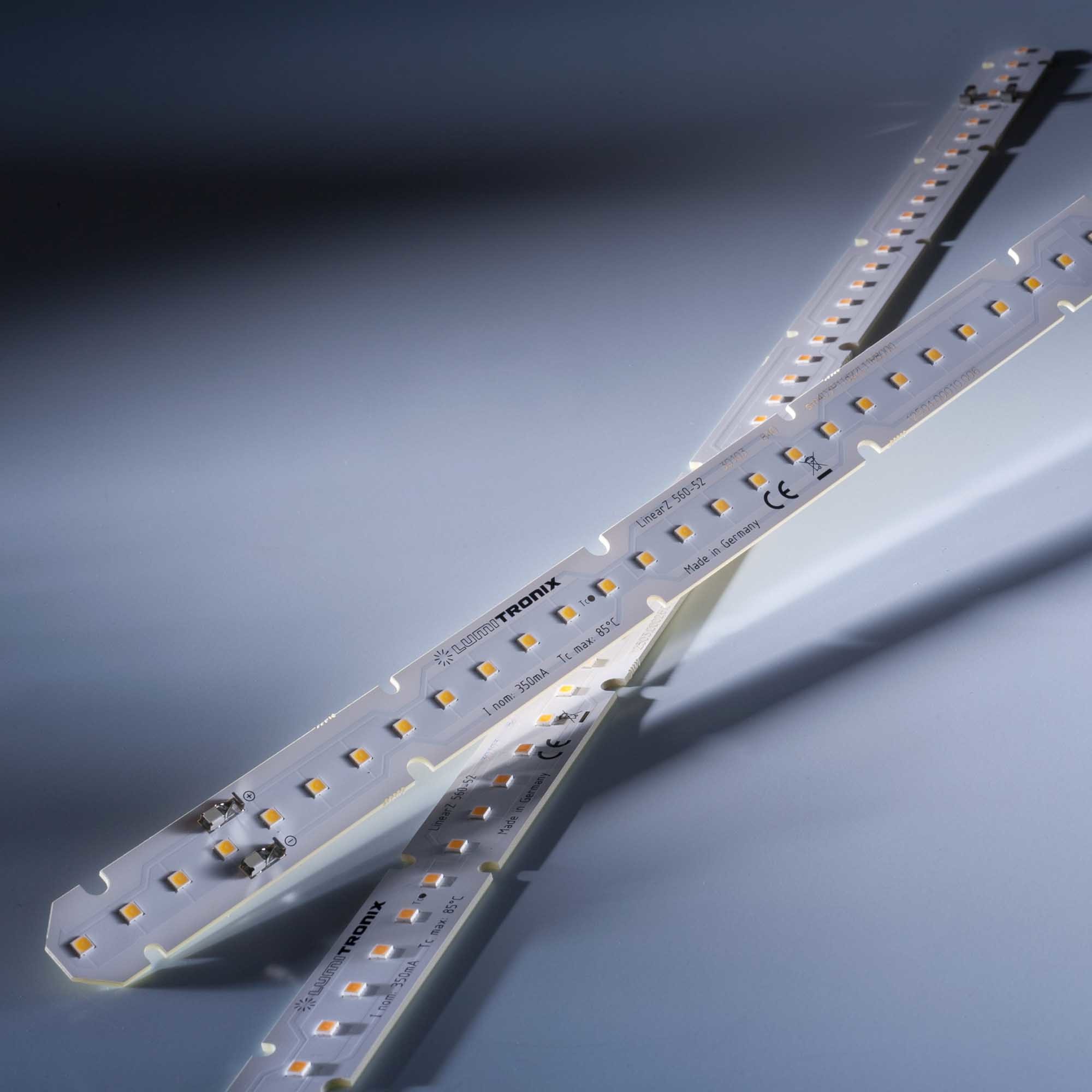
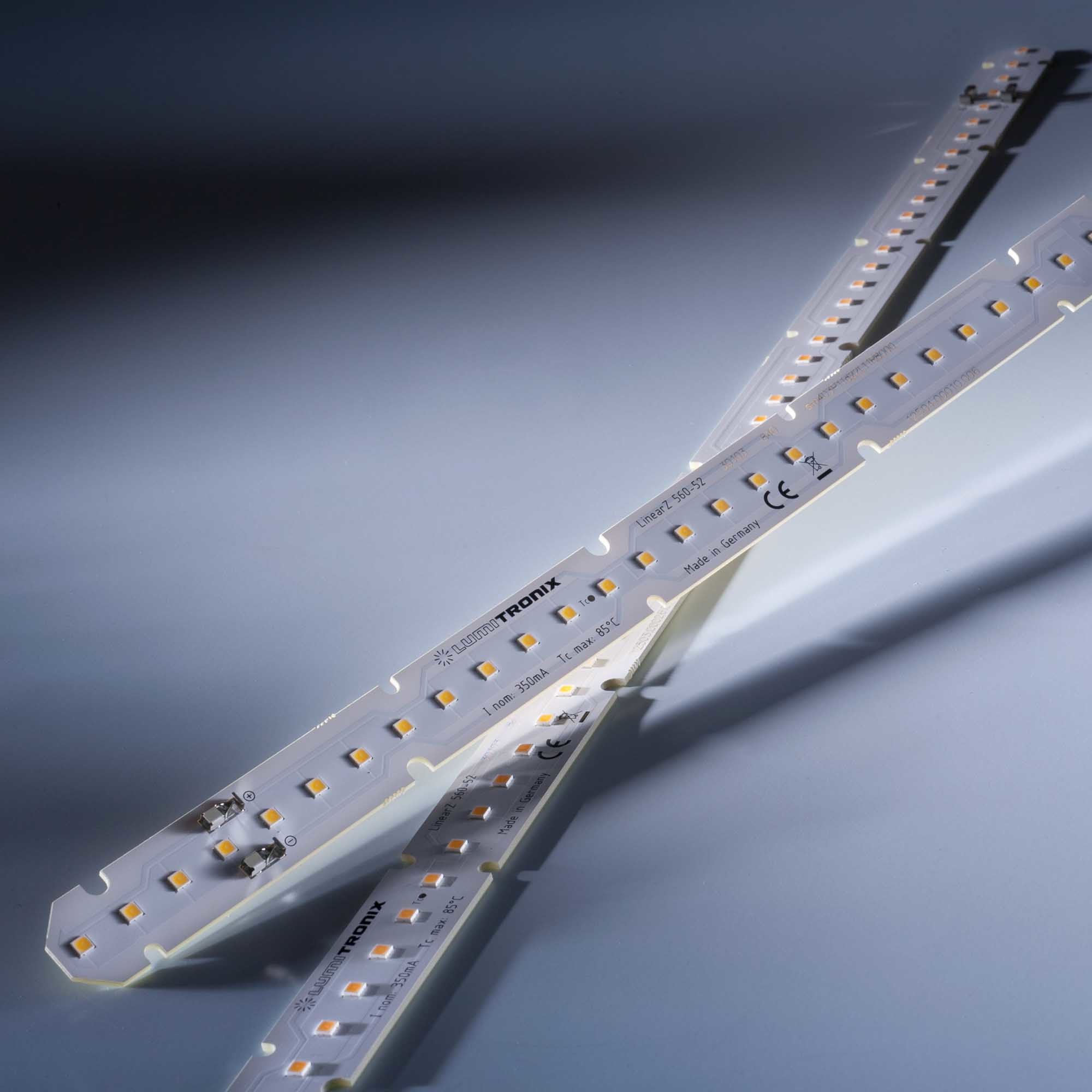
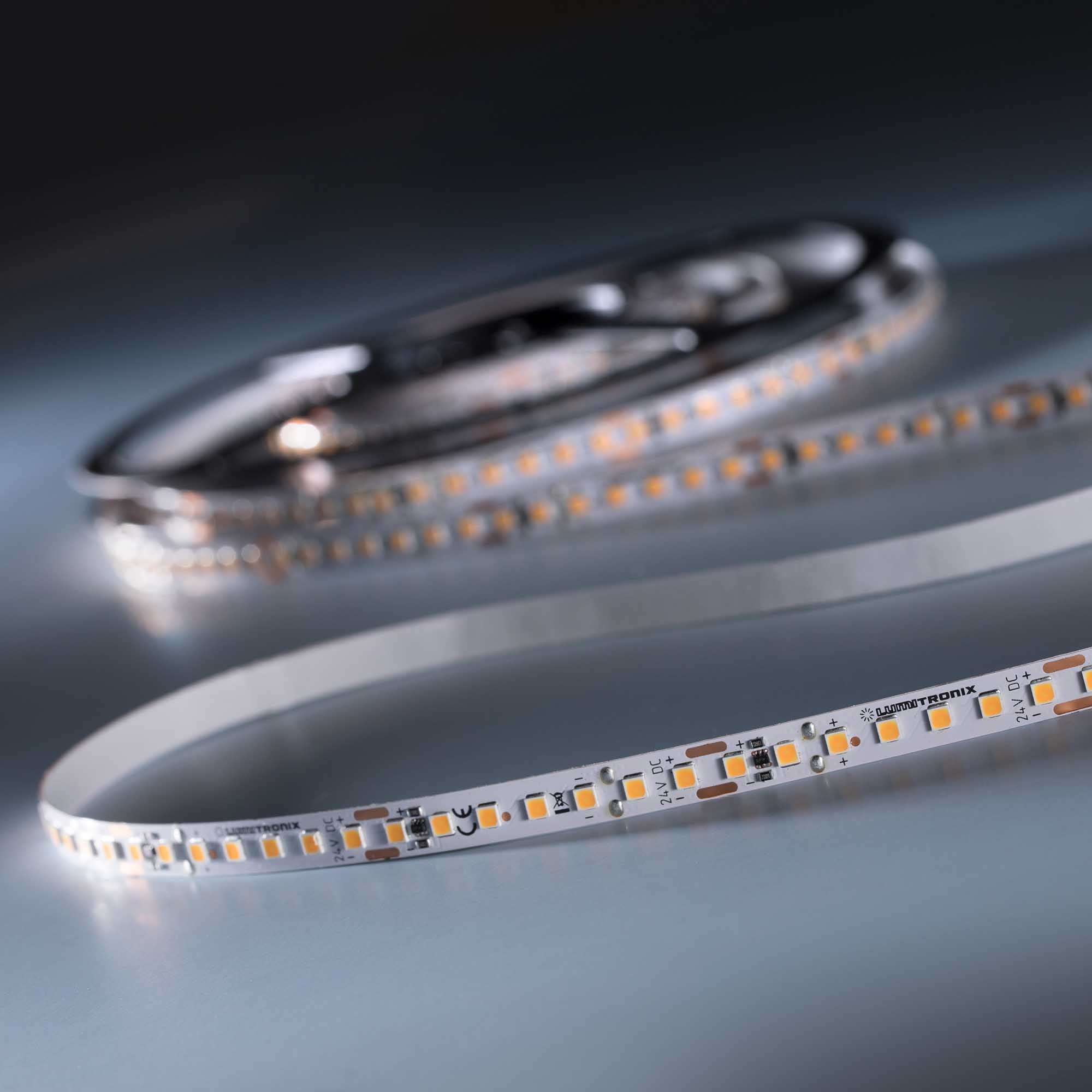
If you prefer using parallel LED strips or modules for each color temperature, we recommend our range of Sunlike products, with many variants to pick from.
-
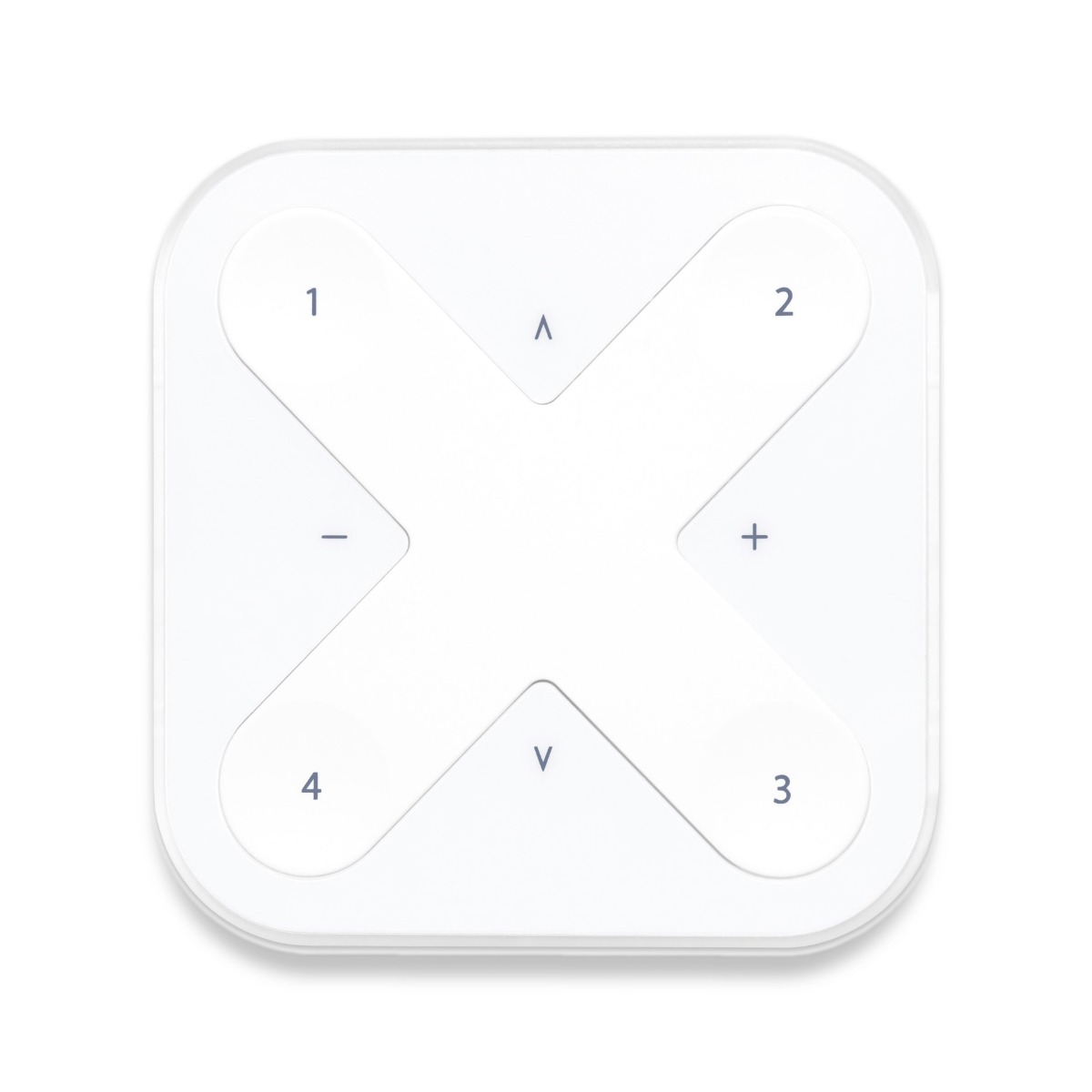 Casambi Xpress wireless light control button white for Power Controler V2 Tunnable White€137.39Stock Germany >10 pcs